Parship is built for people who are done with swipe roulette and want a dating platform that behaves more like a relationship-matching service. It’s structured, questionnaire-driven, and designed to guide users toward compatible connections instead of flooding them with endless “nearby” profiles. That approach can feel refreshing—especially in Europe where Parship has a strong reputation for serious dating—but it also means the platform expects effort upfront.
This Parship review breaks down what matters: how the matching system works, which features actually affect outcomes, what Premium typically changes, what kind of user base to expect, how to date safely, and which alternatives make more sense depending on the goal.
Overview
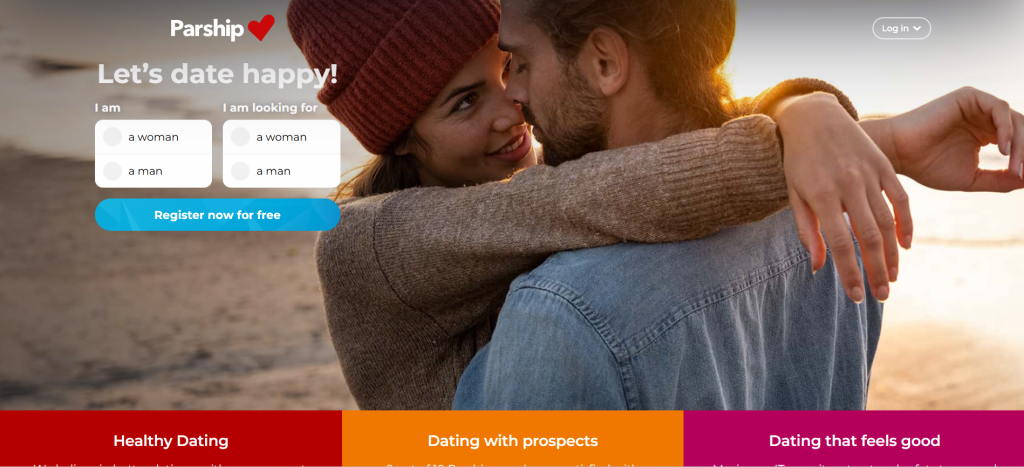
Parship is a relationship-focused dating platform best known for its compatibility test and guided matching. Instead of prioritizing swiping, it emphasizes personality-based matching, curated suggestions, and a structured dating experience.
A realistic Parship journey usually looks like this:
- Complete the compatibility questionnaire seriously
- Build a credible profile with strong photos and clear intent
- Review match suggestions and shortlist promising profiles
- Start conversations with intention and pace
- Verify early (short video call)
- Meet safely and move toward real-world dating
Parship tends to work best for:
- People looking for serious relationships rather than casual swiping
- Users who like guided matching instead of endless browsing
- Professionals who prefer quality over volume
- Users who are willing to invest in Premium if messaging access is needed
Parship can frustrate:
- People who want fast, casual discovery and instant matches
- Users who don’t want to answer a long questionnaire
- Anyone expecting fully free messaging with no restrictions
- Users in smaller areas where the pool may feel thinner
The simplest way to view it: Parship is a structured, compatibility-first platform—not a swipe app.
Features
Parship’s features are designed to reduce mismatch and increase relationship alignment. The features that matter most are the compatibility test, curated matching, profile depth, and communication tools.
1) Compatibility test and matching framework
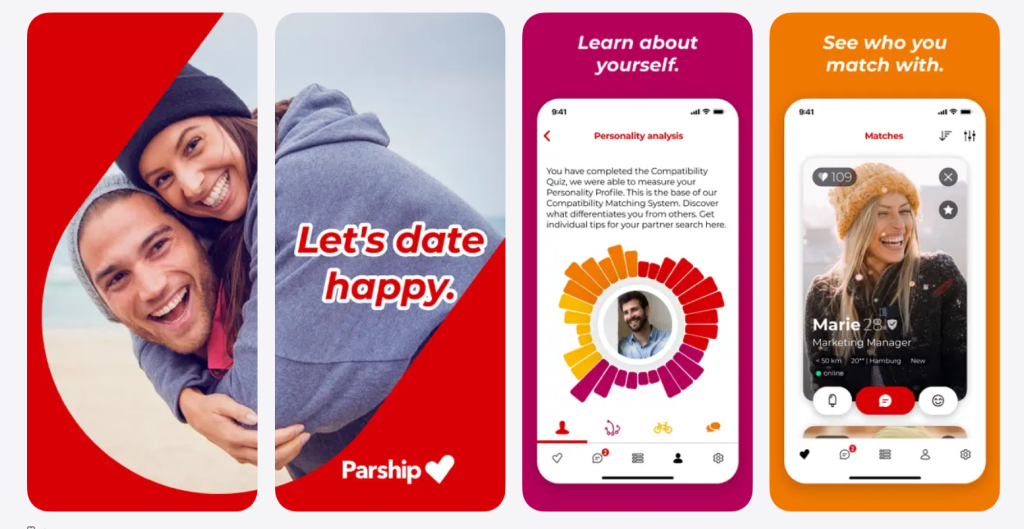
This is the core. Parship’s system is built around a questionnaire that helps shape match recommendations. When users answer honestly, it can improve match relevance. When users rush it, the recommendations suffer.
Actionable takeaway: Treat the questionnaire like the foundation of the entire experience. Ten extra minutes of honesty can save weeks of mismatched conversations.
2) Curated match suggestions
Parship typically presents users with a set of recommended matches rather than forcing everyone into endless swiping. That reduces noise, but it also means fewer “instant dopamine” moments.
Actionable takeaway: Don’t judge Parship by day one. Track match quality over 2–3 weeks and adjust profile details as needed.
3) Profile depth that supports serious dating
Profiles tend to matter more on Parship than on swipe apps. People who write clearly and upload strong photos generally perform better.
Actionable takeaway: A Parship profile should communicate:
- Intent (relationship, long-term, serious dating)
- Lifestyle basics (work rhythm, hobbies, social style)
- What the person is looking for (values, priorities)
4) Shortlisting and organized discovery
Favorites/shortlists help users avoid scattered messaging.
A repeatable Parship pipeline:
- Shortlist 30–60 profiles that feel compatible
- Message 10–15 with specific openers
- Follow up with the most responsive 5–8
- Move to a video checkpoint before getting invested
5) Communication tools that encourage pacing
Parship often nudges users toward more thoughtful interaction rather than chaotic swiping behavior.
Actionable takeaway: Keep early conversations purposeful. The goal is to screen for intent, communication style, and availability—not to entertain forever.
6) Privacy and safer discovery emphasis
Relationship-focused platforms often highlight privacy and moderation more than swipe apps, partly because their audience expects it.
Actionable takeaway: Use platform messaging until identity is verified. Then move off-platform only when the connection feels stable.
Pricing
Parship typically operates on a freemium model: free registration and some discovery access, with Premium plans unlocking broader messaging and premium functionality. Pricing depends on country, plan length, and promotions, so focusing on timing and strategy matters more than memorizing exact numbers.
Most users can expect:
- Free sign-up and basic discovery
- Premium tiers that improve messaging access and reduce limitations
- Longer plans often reduce the monthly cost
When paying for Parship is worth it (step by step)
Premium tends to be worth testing when:
- The questionnaire is complete and honest
- The profile is strong (photos, bio, clear intent)
- There are at least 20–40 compatible profiles in the shortlist
- The user can message consistently for 2–4 weeks
When paying is usually not worth it (yet)
Premium often disappoints when:
- The questionnaire was rushed
- The profile is weak or vague
- The user hasn’t confirmed an active pool in their area
- The user expects Premium to “create chemistry” automatically
Best practice: use the free stage as research. Upgrade only when the shortlist proves opportunity.
User Base
Parship’s audience is typically more relationship-minded than the average swipe app pool. It often attracts:
- Professionals and working adults
- People who are tired of swipe culture
- Users who prefer structured dating and guided matching
- Singles who are open to commitment, long-term, or stable relationships
Parship can feel especially strong in markets where it has high brand recognition, while smaller towns may feel thinner.
A fast 20-minute Parship user base test
- Set realistic distance and age filters
- Review 30–50 suggested matches
- Count how many profiles look detailed and credible
- Shortlist 15–25 that feel genuinely compatible
- Decide whether the pool is strong enough to justify consistent messaging
If profile quality is high and match suggestions feel aligned, Parship tends to be a strong fit. If the pool feels thin, expanding distance or adjusting preferences can reveal whether it’s a settings issue or a market-size issue.
Advantages
Parship has strengths that make it appealing for serious dating.
1) Compatibility-first matching reduces noise
The matching system helps users avoid pure randomness.
2) Better fit for relationship-minded dating
The culture often leans more serious than swipe-first apps.
3) Profile depth supports real screening
Users can learn more than just “photos + one line.”
4) Less time wasted on endless swiping
Parship tends to feel calmer and more structured.
5) Works well for people who want clarity
Intent, values, and lifestyle can be easier to align.
Disadvantages
Parship’s strengths come with trade-offs.
1) The questionnaire can feel long
Some users don’t want the upfront effort.
2) Premium may feel necessary for full momentum
Messaging access and certain features may be limited without Premium.
3) Smaller areas can feel thin
Niche, relationship-focused platforms can have less “instant volume” than swipe apps.
4) Not ideal for casual dating
Casual daters may find it too structured.
5) Patience is required
Parship tends to work best over weeks, not hours.
Safety
Parship can feel safer than chaotic swipe apps, but safety still depends on user discipline. The best approach is consistent and simple.
Top red flags to watch for
- Money requests (emergencies, loans, gift cards, “help”)
- Crypto/investment pitches
- Refusal to video call with endless excuses
- Pressure to move off-platform immediately
- Fast emotional escalation that doesn’t match reality
A practical Parship safety system (step by step)
Step 1: Start with credible profiles
Green flags:
- Multiple clear photos
- Detailed profile and consistent life details
- Normal tone and respectful communication
Step 2: Ask intent early
A simple question saves time:
- “What is the person looking for on Parship?”
Step 3: Verify before emotional investment
A short video call can confirm:
- Identity match
- Communication style
- Chemistry
Step 4: No-money rule
Never send money to someone met online. Not once.
Step 5: Meet safely
- Public place
- Independent transport
- Share plans with a friend
- Exit plan if anything feels off
Alternatives
Parship is strong for compatibility-first serious dating, but alternatives can be better depending on the goal.
If the goal is relationship-first dating with broader pools
- Hinge (often strong for intentional dating in many cities)
- Bumble (often good for clearer intent in many locations)
If the goal is fast high-volume swiping
- Tinder (typically wins on sheer volume and speed)
If the goal is Europe-focused serious dating
- Platforms like Meetic (in some markets) may suit people who want serious dating plus events
If the goal is deeper compatibility frameworks
- Other questionnaire-driven dating services can be strong if the user enjoys structure
Simple decision rule:
- Want compatibility-based guidance? Parship is a strong fit.
- Want speed and volume? Swipe apps may fit better.
- Want events and offline momentum? Event-driven platforms may be better.
FAQ
1) Is Parship free to use?
Parship is typically free to join and browse at a basic level, with Premium plans unlocking broader messaging and premium tools.
2) Is Parship good for serious relationships?
Parship is designed for serious dating and long-term relationships, though intent still varies by individual users.
3) How does the Parship compatibility test work?
Parship uses questionnaire-based matching to recommend compatible profiles. Honest answers usually improve match quality.
4) Is Parship worth paying for?
Parship is most worth paying for when the profile is strong, the questionnaire is complete, and there’s a shortlist of compatible matches worth messaging.
5) What kind of people use Parship?
Parship often attracts adults who want structured dating, including professionals and relationship-minded users.
6) Is Parship better than Tinder?
They serve different goals. Parship is typically better for structured serious dating, while Tinder often wins on speed and volume.
7) Can Parship work in small towns?
It can, but activity varies. Wider distance filters can help confirm whether the local pool is limited.
8) Are there scammers on Parship?
Scammers can exist on any platform. Verification, consistency checks, and a no-money rule reduce risk dramatically.
9) What’s the best first message on Parship?
Short and specific works best: reference one profile detail and ask one easy question.
10) How fast should someone move off Parship to WhatsApp?
Moving off-platform can be normal after trust is built. Pressure to move immediately is a red flag.
11) Why do Parship conversations stall?
Common reasons include mismatched intent, slow replies, unclear direction, or people talking to multiple matches.
12) What’s the safest first date from Parship?
A public meet, independent transport, and a friend informed of the plan.
13) How can someone improve results on Parship quickly?
Complete the questionnaire honestly, upgrade photos, write a clear bio, shortlist intentionally, and verify early.
14) Does Parship work better for certain age ranges?
Parship often performs well for adults who want relationship clarity, but the best fit depends on the local pool.
15) What’s the fastest way to know if Parship is a fit?
Run a two-week test: build a strong profile, review match quality, message consistently, and track response quality.
Final Verdict
Parship is a structured, compatibility-first dating platform designed for people who want serious relationships and prefer guided matching over endless swiping. It works best when users complete the compatibility test honestly, build a strong profile, shortlist intentionally, and verify early to save time and avoid bad fits. Parship may feel slow for casual dating or for users who want instant volume, and Premium may be necessary for full momentum depending on the market. But for singles who value clarity, compatibility, and a calmer, more intentional dating experience, Parship remains a practical platform to test—and one that can produce strong long-term matches when used with discipline.