

KoreanCupid is one of the most direct ways to meet Korean singles online, and it fills a gap that mainstream dating apps often miss: a Korea-focused pool, profile depth, and search tools that let users date with intention instead of luck. It’s not a swipe casino. It’s a platform designed for people who want Korean dating to be structured, not chaotic.
This KoreanCupid review breaks down what matters: how the platform works in real life, which features change outcomes, how pricing and membership typically behave, what the user base is like, what to watch out for, and which alternatives are smarter depending on the goal.
Overview
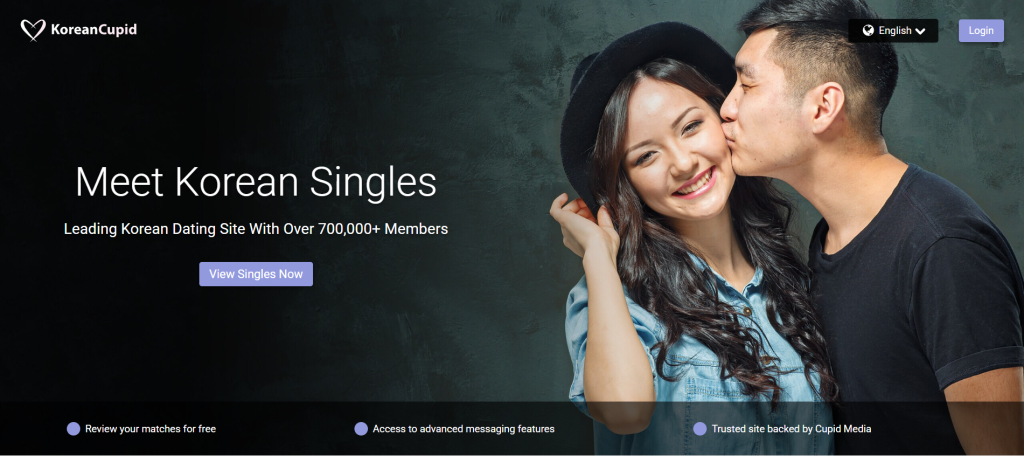
KoreanCupid is a niche dating site focused on connecting Korean singles with other Korean singles and international users who want Korean dating specifically. Instead of relying on endless swiping, KoreanCupid leans into a “browse, filter, shortlist, message” flow.
A typical experience looks like this:
- Create a profile that looks credible (photos + real bio)
- Use search filters to find compatible matches
- Build a shortlist using favorites/likes
- Message consistently, not randomly
- Verify early (video call is best)
- Progress to meeting or serious long-distance planning
KoreanCupid is usually a strong fit for:
- People who specifically want Korean dating (locals, expats, travelers, or international dating)
- Users who prefer filters and profile browsing over swiping
- People comfortable with paid membership for smoother communication
- Anyone willing to screen and verify early to avoid time-wasters
KoreanCupid can frustrate:
- Users who want unlimited free messaging
- People who expect instant matches without profile effort
- Anyone who joins without time to follow through
- Users who dislike subscription-based dating models
The simplest way to understand it: KoreanCupid behaves more like a dating directory with messaging than an entertainment app.
Features
Feature lists are easy to sell. Results are harder. KoreanCupid’s most useful features generally fall into five buckets: discovery, filtering, messaging, trust-building, and control.
1) Profile browsing that rewards intention
KoreanCupid encourages reading profiles and making deliberate choices. That alone improves dating quality, because it reduces impulsive matching.
Actionable takeaway: Build a shortlist first. A user who favorites 50–80 profiles before messaging usually does better than someone who messages while browsing.
2) Search filters that help avoid mismatches
KoreanCupid’s search-first structure is the main value. Filters allow users to narrow down by:
- Age range and location
- Lifestyle preferences
- Relationship intent
- Background details that matter for compatibility
Actionable takeaway: Use filters in two modes:
- Broad search to discover high-quality profiles that might be slightly outside strict preferences
- Strict search for non-negotiables like location, intent, and key lifestyle fit
This prevents the common mistake of filtering so hard that good matches never appear.
3) Favorites/interest tools for pipeline building
Favorites are not decoration. They create a pipeline.
A simple pipeline that works well:
- Favorite 60 profiles that look genuine and aligned
- Narrow to 20 that are most compatible
- Message 10–15 with strong openers
- Follow up with the best conversations instead of restarting daily
Consistency beats intensity.
4) Messaging that becomes meaningful with membership
On niche dating sites, messaging is often where paid membership changes everything. The biggest benefit is not “more matches.” It’s the ability to turn browsing into real conversations with less friction.
Actionable takeaway: Upgrade only after a shortlist exists. Paying without a plan often leads to frustration.
5) Mobile access for consistency
Many users rely on mobile access for replying quickly and maintaining momentum.
Actionable takeaway: Use desktop for profile setup and deep browsing. Use mobile to keep conversations alive daily.
Pricing
KoreanCupid typically follows a familiar model: free sign-up and browsing at a basic level, then paid membership tiers that unlock broader messaging access and premium tools. Exact pricing varies by location, plan length, and promotions, so the smartest approach is focusing on when paying makes sense, not memorizing a number.
Most users encounter:
- A free level (profile + browsing + basic interaction)
- Paid tiers that improve messaging access and add premium tools
- Multiple plan lengths, where longer plans usually reduce the monthly cost
When paying is worth it (step by step)
A paid plan usually makes sense when:
- The profile looks credible (multiple clear photos + a real bio)
- There are 20–40 promising profiles already shortlisted
- The user can message consistently for 2–4 weeks
When paying is not worth it (yet)
Membership often feels like a waste when:
- The profile is incomplete
- The user hasn’t confirmed an active pool in their filters
- The user expects membership to “create” matches automatically
- The user isn’t willing to verify early and screen properly
Best practice: treat free browsing as research. Upgrade only when the pool looks real and the shortlist proves opportunity.
User Base
KoreanCupid’s user base typically includes:
- Korean locals dating within Korea
- Expats living in Korea
- International users seeking Korean dating (long-distance first is common)
- A mix of high-effort profiles and low-effort profiles
The most important truth: “big pool” only matters if the right profiles are active in the right filters.
A fast 20-minute user base test
- Search within the preferred age/location range
- Open 40–60 profiles
- Count how many have multiple photos, a real bio, and clear intent
- Favorite 20 that seem most credible
- Decide if there’s enough momentum to justify messaging upgrades
If most profiles look detailed and active, KoreanCupid can be worth serious effort. If profiles look vague, repetitive, or inactive, it may require widening filters or testing alternatives.
Advantages
KoreanCupid’s strengths line up with how intentional dating actually works.
1) Korea-focused relevance
The platform filters out general global noise and keeps the dating pool more targeted.
2) Search-first control
It rewards people who want to choose intentionally rather than rely on algorithms.
3) Better fit for relationship-minded dating than swipe-only apps
Swipe apps can work, but they often produce shallow conversations. Profile-first dating tends to reward clarity and effort.
4) Works for local and international dating
KoreanCupid can be useful for Koreans dating locally and for international users who want Korean connections.
5) Repeatable process
Shortlist → message → verify → meet.
That structure makes outcomes more predictable.
Disadvantages
The drawbacks are mostly expectation problems.
1) Messaging can feel gated
Users who expect fully free messaging may feel blocked. Many niche dating platforms monetize through messaging access.
2) Profile effort is required
Low-effort profiles struggle. Paying doesn’t fix that.
3) Activity varies by filters
Some age ranges and locations will feel strong. Others may feel thin.
4) Time-wasters exist
Some users browse for attention. Some chat forever without meeting intent. Screening is required.
5) Long-distance adds friction
International dating can work, but it requires patience, verification, and realistic planning.
Safety
Online dating safety is about rules, not fear.
The biggest risks to watch for
- Money requests (loans, emergencies, “help,” gift cards)
- Crypto/investment pitches
- Catfishing (photos don’t match reality)
- Off-platform pressure too early (moving to WhatsApp/Telegram immediately)
- Fast emotional escalation (“soulmate talk” within days)
A practical safety system (step by step)
Step 1: Prefer credible profiles
Green flags:
- Multiple photos
- Detailed bio
- Consistent life details
- Clear intent
Step 2: Ask consistency questions over a few days
- Work schedule
- Daily routine
- City/area details
- Weekend habits
Real people answer naturally. Scammers often stay vague.
Step 3: Add a verification checkpoint early
- Short video call is ideal
- If not possible, request a simple custom photo (specific gesture)
Step 4: No-money rule
Never send money to someone met online. Not once.
Step 5: Meet safely
If meeting:
- Public place
- Independent transport
- Tell a friend the plan
- Leave if anything feels wrong
Alternatives
KoreanCupid is not the only route to Korean dating.
If the goal is speed and volume (casual-to-serious depending on city):
- Tinder
- Bumble
- Hinge
These often win in big cities because the pools are massive. The trade-off is more noise and less targeted intent.
If the goal is Korean dating with more “local” app culture:
- Korea-popular apps can sometimes outperform global apps for local dating norms, depending on the user’s comfort and language ability.
If the goal is relationship-first matching:
- Relationship-oriented platforms with deeper compatibility prompts can work better for marriage-minded dating.
A simple decision rule:
- Want Korean-focused filtering and profile depth? KoreanCupid is a strong test.
- Want speed and mass pools? Swipe apps often win.
- Want deeper compatibility structure? Relationship-first platforms may fit better.
FAQ
1) Is KoreanCupid free to use?
KoreanCupid is typically free to join and browse at a basic level, while broader messaging access and premium tools are often tied to paid membership.
2) Is KoreanCupid legit?
It operates like many established niche dating platforms. Results depend on screening, safety habits, and consistent use.
3) What is KoreanCupid best for?
It’s best for Korean-focused dating with profile browsing and search filters, including local Korean dating and international dating.
4) Does KoreanCupid require paid membership to message?
Many users find meaningful messaging is easier with a paid plan. The best strategy is to shortlist first, then upgrade with a plan.
5) When should someone upgrade on KoreanCupid?
Upgrade after building a shortlist and confirming there are enough active, compatible profiles worth messaging consistently.
6) Is KoreanCupid good for serious relationships?
It can be, especially when users verify early, communicate consistently, and date with realistic expectations.
7) Are there scammers on KoreanCupid?
Scammers can exist on any platform. Use a no-money rule, verify early, and block/report suspicious behavior.
8) What’s the safest way to verify someone met on KoreanCupid?
A short video call is the best verification step. If that’s not possible, a custom photo request can help.
9) Why do matches stop replying on KoreanCupid?
Common reasons include casual browsing, inactive accounts, mismatched intent, language friction, or weak conversation momentum.
10) What should a first message look like on KoreanCupid?
Reference one profile detail, add a short friendly comment, and ask one easy question. Short and specific works best.
11) Is KoreanCupid better than Tinder for Korean dating?
They serve different styles. Tinder often wins on speed and volume. KoreanCupid often wins on filtering and intentional profile-first dating.
12) Can international users succeed on KoreanCupid?
Yes, especially if they’re open to long-distance pacing, verify early, and treat dating like a structured process.
13) How fast should someone move off-platform to WhatsApp or another app?
Moving off-platform can be normal later. The red flag is pressure to move immediately before verification.
14) What’s the safest way to meet someone from KoreanCupid?
Video call first, meet in public, use independent transport, and keep friends informed of the plan.
15) What’s the fastest way to know if KoreanCupid is worth it?
Complete a strong profile, browse actively, favorite 30–60 credible profiles, then upgrade only if the shortlist proves there’s real opportunity.
Final Verdict
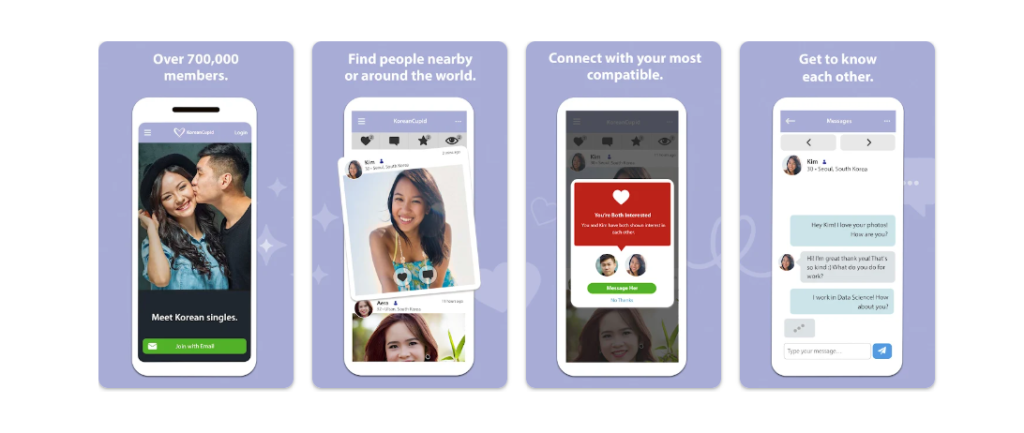
KoreanCupid can be a strong platform for people who want Korean-focused dating with search filters, profile depth, and a clear path from browsing to real conversations—especially when the goal is intentional dating rather than swipe entertainment. It works best when the user builds a credible profile, creates a shortlist before paying, messages consistently, and verifies early to avoid scams and time-wasters. For users who only want fast swipes and instant matches, mainstream apps may feel easier. But for users who want structure, relevance, and a repeatable process, KoreanCupid is a practical option to test—and one that can deliver real outcomes when used with discipline.