
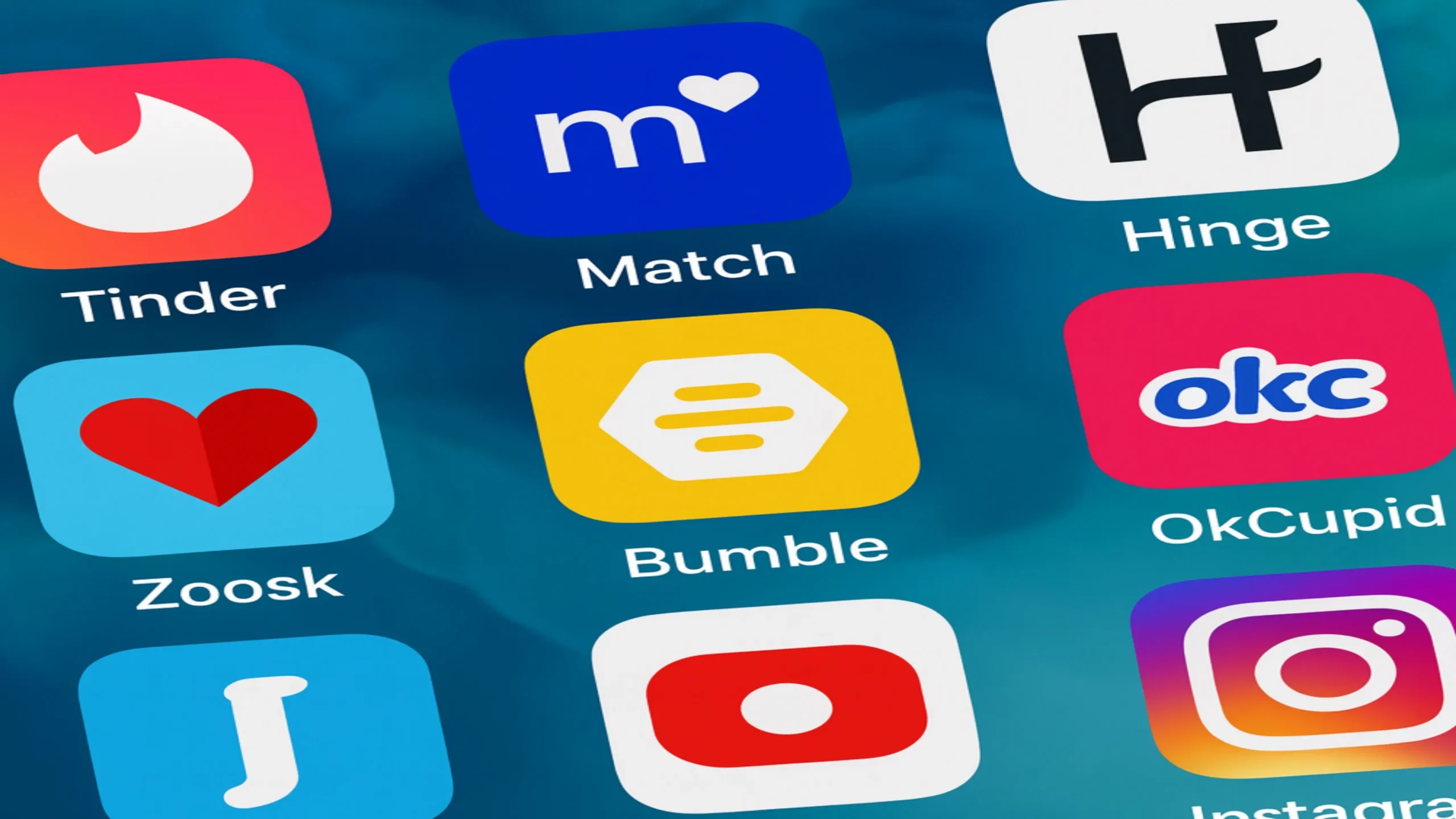
The Best Dating Apps have changed how people meet, match, and build relationships. Some apps thrive on fast swiping and casual chemistry, while others prioritize depth, compatibility, and real conversations. Picking the right one matters — because choosing the wrong platform wastes time, money, and emotional energy.
This guide breaks down the top 15 best dating apps, explaining how each one works, who it’s for, and why it stands out. The goal? To help readers choose one or two apps that actually match their lifestyle, instead of installing everything and getting overwhelmed.
How This Best Dating Apps Guide Works
This guide offers:
- Full mini-reviews of the 15 best dating apps
- Clear breakdowns of features, pricing, pros, cons, and user types
- Examples and practical explanations
- A structure that mirrors top affiliate review websites
- A final verdict so readers walk away confident
If someone reads this single article, they’ll know exactly which Best Dating Apps deserve their attention.
QUICK OVERVIEW: The 15 Best Dating Apps
| App | Best For | Vibe | Pricing Model |
|---|---|---|---|
| Tinder | Casual dating, travel | Fast, swipe-based | Freemium + paid plans |
| Bumble | Women-first messaging | Balanced, modern | Freemium + paid plans |
| Hinge | Serious relationships | Depth-focused | Freemium + upgrades |
| Match | 30+ dating & long-term | Classic & detailed | Subscription model |
| eharmony | Compatibility & marriage | Personality-first | Subscription |
| OkCupid | Inclusivity & values | Question-based | Freemium |
| Badoo | Global dating | Social + dating hybrid | Freemium |
| Grindr | Gay & bi men | Fast, location-based | Freemium |
| HER | Queer women & non-binary | Community + dating | Freemium |
| Coffee Meets Bagel | Curated matches | Slow & intentional | Freemium |
| Happn | Proximity-based | Real-life crossing | Freemium |
| Facebook Dating | Seamless for FB users | Familiar & casual | Free |
| EliteSingles | Professionals & graduates | Career-focused | Subscription |
| Zoosk | Behavior-based matching | Simple & mainstream | Freemium |
| Feeld | Non-monogamy & kink-friendly | Open & exploratory | Freemium |
Best Dating Apps
1. Tinder – The Global Swiping Giant
Best For:
• casual dating
• fast matching
• travel & international dating
Tinder popularized the swipe system and still has one of the largest user bases worldwide. The app is visual, fast, and designed for quick matching.
Key Features:
- Swipe right/left matching
- Boosts, Super Likes, and Passport
- Simple filters for age, distance, and interests
Pros:
- Massive user base
- Works in nearly every country
- Easy to use
Cons:
- Looks-focused
- Can feel like a game
- Overwhelming in big cities
Who Should Use It?
Anyone who wants the fastest entry into the Best Dating Apps list, especially for casual or travel-based connections.
2. Bumble – Women Make the First Move
Best For:
• women who prefer control
• men who want women to initiate
• modern, balanced dating
In heterosexual matches, only women can message first. This dynamic filters out low-effort openers and creates a respectful environment.
Key Features:
- Women-first messaging
- BFF (friendship) and Bizz (networking) modes
- Timer-based conversations
Pros:
- Reduces spam and inappropriate openers
- Safe and modern atmosphere
- Strong brand trust
Cons:
- Matches expire quickly
- Smaller user base outside major cities
Who Should Use It?
People who want a mainstream app with a safer, more intentional dynamic.
3. Hinge – “Designed to Be Deleted”
Best For:
• serious dating
• meaningful conversations
Hinge focuses on depth, personality, and real interaction through prompts, voice notes, and photo-specific comments.
Key Features:
- Personality prompts
- Like/comment specific parts of profiles
- Conversation-focused design
Pros:
- Great for long-term dating
- Prompts make messaging easier
- Less superficial than swipe-only apps
Cons:
- Smaller user base than Tinder/Bumble in some regions
- Can feel too detailed for casual users
Who Should Use It?
Anyone who wants one of the Best Dating Apps for building something real.
4. Match – A Classic for the 30+ Crowd
Best For:
• long-term relationships
• detailed filtering
• mature daters
Match is one of the oldest online dating brands, focusing on profile depth and compatibility.
Key Features:
- Extensive profiles
- Search filters for lifestyle, religion, habits
- Subscription-based messaging
Pros:
- Good for mature users
- Serious, relationship-focused environment
Cons:
- Paywall for most features
- Interface feels traditional
Who Should Use It?
Readers over 30 or those who want a structured, commitment-first dating experience.
5. eharmony – Built for Compatibility & Marriage
Best For:
• commitment
• long-term relationships
• compatibility-driven dating
eharmony uses a detailed personality assessment to match people with similar values and relationship expectations.
Key Features:
- Compatibility quiz
- Curated matches
- Profile depth
Pros:
- Highly effective for serious dating
- Deep compatibility scoring
Cons:
- Long signup
- Mostly paid features
Who Should Use It?
Anyone who wants a guided, structured route to a long-term partner.
6. OkCupid – Values, Identity, and Beliefs Matter Here
Best For:
• LGBTQ+ users
• progressive daters
• personality-based matching
OkCupid shines for inclusivity, offering one of the widest sets of identity options.
Key Features:
- Extensive questions
- Compatibility percentages
- Flexible matching preferences
Pros:
- Extremely inclusive
- Matches based on values & lifestyle
Cons:
- Time-consuming setup
- Less active in some regions
Who Should Use It?
Readers who want the Best Dating Apps for belief-based and identity-based matching.
7. Badoo – Global, Social, and Huge
Best For:
• international dating
• social + dating hybrid
• users outside major markets
Badoo blends social networking with dating and is popular worldwide.
Key Features:
- People Nearby
- Encounters (swipe-style)
- Video chat and verification
Pros:
- Massive global reach
- Good for travel or international matches
Cons:
- Less structured for serious dating
Who Should Use It?
Those who want a worldwide dating pool.
8. Grindr – Fast, Location-Based Dating for Gay & Bi Men
Best For:
• gay and bi men
• quick, local matching
Grindr uses a grid layout and focuses on proximity.
Key Features:
- Location-based grid
- Filters for interests, roles, identity
- Chat-heavy interface
Pros:
- Extremely active
- Great for local LGBTQ+ dating
Cons:
- Fast-paced, not ideal for slow romance
Who Should Use It?
Any LGBTQ+ man looking for rapid, local connections.
9. HER – Queer Women & Non-Binary Community
Best For:
• queer women
• non-binary users
• community + dating
HER blends community features with dating tools.
Key Features:
- LGBTQ+ community feed
- Events and group chats
- Swipe-style matching
Pros:
- Designed specifically for queer women
- Safe and community-driven
Cons:
- Smaller user base
- Availability varies by city
Who Should Use It?
Anyone seeking a women-centered LGBTQ+ dating space.
10. Coffee Meets Bagel – Quality Over Quantity
Best For:
• intentional dating
• people tired of swipe addiction
CMB gives curated, limited matches daily.
Key Features:
- “Bagels” (daily curated matches)
- In-app currency for extras
- Conversation-forward design
Pros:
- Reduces burnout
- Encourages intentional dating
Cons:
- Limited daily matches
Who Should Use It?
Those wanting slower, more thoughtful dating.
11. Happn – Connect With People You Cross Paths With
Best For:
• city dwellers
• serendipity lovers
Happn shows users you’ve physically crossed paths with.
Key Features:
- Proximity feed
- Past “crossings” timeline
- Mutual-like chat
Pros:
- Real-life connection angle
- Great for dense cities
Cons:
- Weak in rural areas
Who Should Use It?
Readers who love the idea of in-person paths crossing.
12. Facebook Dating – Built Into Facebook
Best For:
• casual dating
• users who like familiarity
• low-friction setup
No extra app needed; built into Facebook.
Key Features:
- Separate dating profile
- Match suggestions based on interests
- Secret Crush feature
Pros:
- Free to use
- Uses existing profile data
Cons:
- Some people avoid mixing dating with social media
Who Should Use It?
Those who want a simple, quick, free dating option.
13. EliteSingles – Professionals, Graduates & High Achievers
Best For:
• career-driven daters
• educated professionals
EliteSingles targets users with strong educational or career backgrounds.
Key Features:
- In-depth personality test
- High-quality profiles
- Compatibility suggestions
Pros:
- Ideal for goal-oriented daters
- Strong profile precision
Cons:
- Subscription required
- Smaller audience
Who Should Use It?
Anyone who wants ambition and compatibility blended.
14. Zoosk – Simple and Behavior-Based
Best For:
• mainstream dating
• beginners
• easy navigation
Zoosk learns from your behavior and tailors matches accordingly.
Key Features:
- Behavioral matchmaking
- Carousel (quick-swipe)
- Photo verification
Pros:
- Easy to use
- Good for beginners
Cons:
- Interface is less modern
Who Should Use It?
People who want a straightforward dating app.
15. Feeld – For Explorers, Couples & Alternative Dating
Best For:
• ethical non-monogamy
• kink-friendly connections
• couples exploring together
Feeld supports dozens of relationship styles.
Key Features:
- Profiles for individuals or couples
- Inclusive identity options
- Boundary-first communication
Pros:
- Safe, non-judgmental space
- Partners can match together
Cons:
- Niche user base
Who Should Use It?
Anyone exploring non-traditional relationships.
Safety Tips for Using the Best Dating Apps
- Keep early chats on the app.
- Meet in public places.
- Never send money.
- Share your date location with a friend.
- Trust your instincts.
FAQ: Best Dating Apps Explained
1. Which app is best for serious dating?
Hinge, Match, and eharmony.
2. Which app is best for casual dating?
Tinder and Badoo.
3. Which app is best for LGBTQ+ users?
Grindr, HER, and OkCupid.
4. Which app works best outside big cities?
Tinder and Facebook Dating.
5. Which app is best for professionals?
EliteSingles.
6. What’s the safest approach?
Keep chats on the app and always meet in public.
7. Are paid plans worth it?
If someone wants more visibility and advanced filters, yes.
8. Which app is best for beginners?
Tinder, Bumble, and Hinge.
9. Can dating apps lead to long-term relationships?
Absolutely — many couples meet through Match, Hinge, and eharmony.
10. What’s the best strategy?
Use 2–3 apps consistently for a few weeks.
11. Which app is best for niche dating?
Feeld and EliteSingles.
12. Are curated apps better for busy people?
Yes — Coffee Meets Bagel is designed for that.
13. Do dating apps work internationally?
Tinder, Badoo, Bumble, and OkCupid work worldwide.
14. How do you avoid burnout?
Limit swiping sessions and use curated apps.
15. What makes the Best Dating Apps list?
User base, features, safety, and match success.
Final Verdict: Choosing from the Best Dating Apps
The Best Dating Apps each serve different goals:
- Casual & fast: Tinder, Badoo
- Serious & long-term: Hinge, Match, eharmony
- Identity-focused: HER, Grindr, OkCupid
- Curated & slow-paced: Coffee Meets Bagel, Happn
- Professional & structured: EliteSingles
- Alternative relationships: Feeld
The smartest approach is to choose two or three, commit to them, optimize the profile, and give them time. When used intentionally and consistently, the Best Dating Apps can transform how someone meets new people — and open doors to connections that truly fit who they are.