
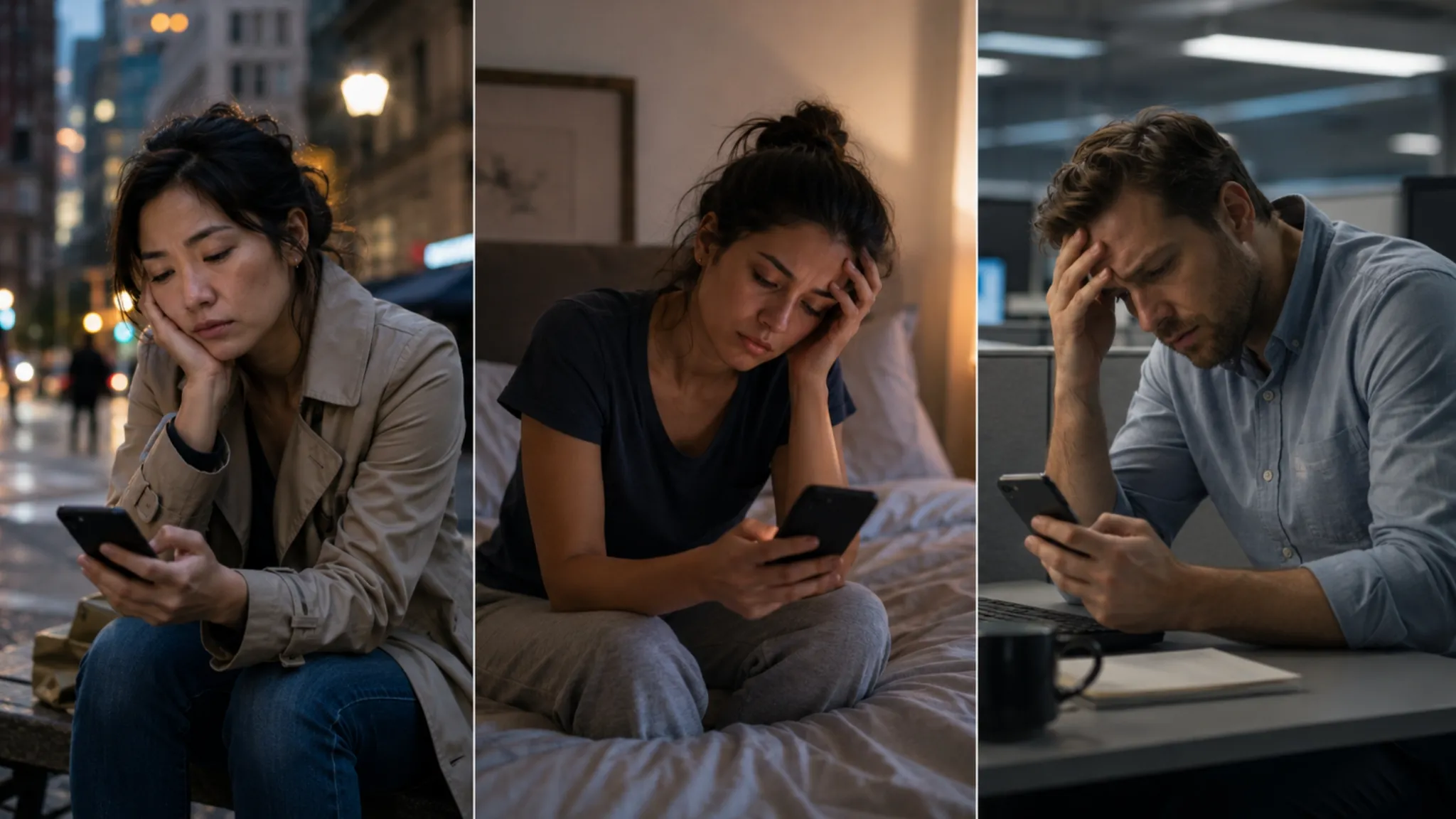
Dating apps changed how people meet, flirt and build relationships. They made introductions faster, opened more social doors and helped people connect outside their normal circles. However, many adults are also starting to feel tired of endless swiping, short conversations, ghosting and matches that never turn into anything meaningful.
This does not mean people have stopped wanting connection. In many cases, it means they are becoming more selective about how they spend their emotional energy. Instead of chasing every match, some adults are rethinking what companionship, intimacy, confidence and personal space should look like in modern life.
Last Updated: July 2026
Why Dating App Fatigue Happens
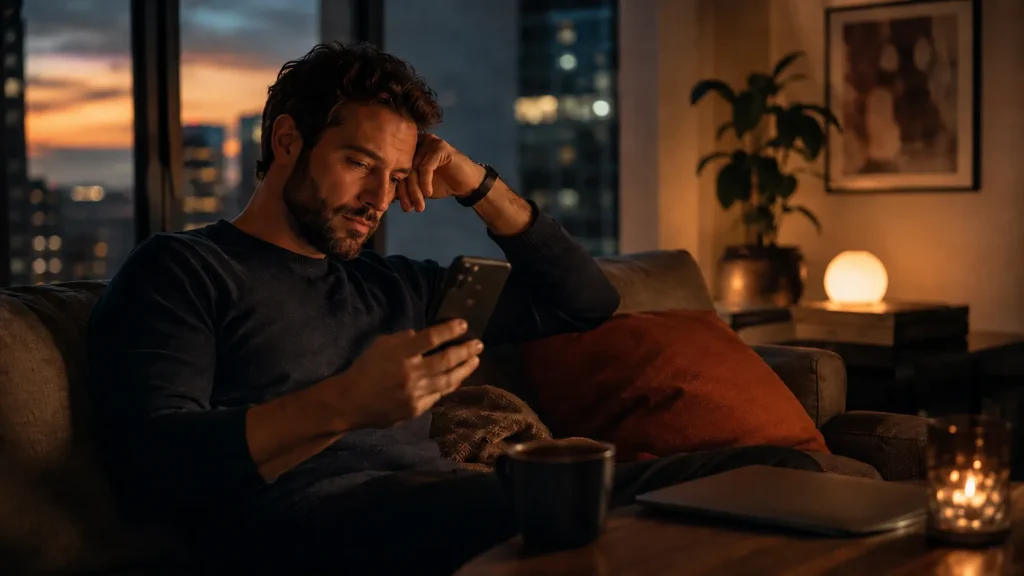
Dating app fatigue usually builds slowly. At first, apps can feel exciting because there are always new profiles, new conversations and new possibilities. Over time, though, the process can start to feel repetitive.
A person may match with someone, exchange a few messages and then watch the conversation disappear. Another match may look promising but never moves beyond small talk. Meanwhile, some people deal with rude messages, unrealistic expectations or the pressure to present themselves perfectly.
Because of this, dating can start to feel like admin instead of connection. The constant cycle of matching, messaging and restarting can make people feel drained, even when they still want romance or companionship.
Online Connection Is Useful, But It Has Limits
Online dating can be useful because it gives people more access. Someone who works long hours, lives in a smaller town or struggles to meet people socially can still find potential matches online.
However, digital connection has limits. A chat window cannot always show chemistry, patience, kindness or emotional maturity. A profile can show interests and photos, but it cannot fully show how someone behaves when plans change or when real life becomes complicated.
That is why many adults now use dating apps more carefully. They still see value in online introductions, but they also understand that a match is only the beginning. Real trust takes time.
The Rise of Alternative Companionship
As dating becomes more digital, people are also exploring different forms of companionship. Some turn to online communities. Others use video chat platforms, social apps, AI companions or private self-development routines before dating again.
This shift is not only about replacing relationships. For many adults, it is about taking control of their private life. Some people want emotional space after a breakup. Others want confidence before returning to dating. Some simply want connection without rushing into commitment.
Modern companionship is becoming more flexible. It can include friendships, online conversations, casual dating, long-term relationships, digital companions and private adult lifestyle choices.
Private Companionship and Personal Confidence
Not every adult wants to date all the time. Some people go through seasons where they prefer privacy, independence and personal comfort. This can happen after heartbreak, during a busy work period or while rebuilding confidence.
Private companionship options can give adults room to explore what they want without pressure from another person. For some, that may mean journaling, therapy, fitness, social hobbies or digital companionship. For others, it may include adult-only products that are chosen carefully and privately.
Some adults also explore private companionship products when they want an offline alternative to dating apps or casual online conversations. For those comparing body types, materials, privacy, care and buying safety, specialist resources on realistic sex dolls can help explain what to check before making a decision.
Why Privacy Matters in Modern Dating
Privacy has become a bigger part of dating culture. People are more aware of screenshots, public profiles, online judgement and personal boundaries. As a result, some adults are more cautious about how much of their romantic life they expose.
This is one reason private companionship options appeal to some people. They allow adults to make personal choices without needing approval from strangers online. However, privacy should still come with responsibility.
Any adult choice around companionship, intimacy or dating should be safe, legal, respectful and realistic. It should not encourage isolation, shame or unhealthy expectations. The healthiest approach is one that supports confidence, not avoidance of real life.
Dating Is No Longer One Simple Path
Traditional dating used to follow a more predictable pattern: meet someone, go out, form a relationship and build from there. Today, the path is less fixed.
Some people meet through dating apps. Others meet through social media, friend groups, events, random chat platforms, travel, work or shared interests. Some people spend time with AI companions or online communities before they feel ready to date again.
This variety reflects how different adult lives have become. A divorced person, a young professional, a shy introvert, a digital nomad and someone recovering from heartbreak may all need different forms of connection.
There is no single route that works for everyone.
Healthy Companionship Still Needs Self-Awareness
Even with more options, self-awareness matters. A person should ask what they are really looking for before choosing any form of companionship.
Are they looking for romance? Are they lonely? Are they rebuilding confidence? Are they avoiding disappointment? Are they curious about technology or private adult lifestyle products? Are they ready for a relationship, or do they need time first?
These questions matter because different needs require different choices. Dating apps may help someone meet new people. Therapy may help someone process emotional pain. Social hobbies may help someone rebuild confidence. Private companionship may suit someone who wants personal space.
The best option is the one that supports emotional health and realistic expectations.
Dating App Fatigue Does Not Mean Giving Up
Feeling tired of dating apps does not mean someone has failed at dating. It may simply mean they need a break, a better approach or a different environment.
Some people benefit from deleting apps for a while. Others improve their experience by being more selective, writing clearer profiles or moving conversations offline sooner. Some may focus on meeting people through hobbies, travel, fitness, events or community spaces.
The goal is not to force dating. The goal is to make connection feel human again.
Final Thoughts
Dating is changing because people are changing. Adults now have more tools, more choices and more freedom to decide how they want companionship to fit into their lives.
Dating apps still have value, but they are not the only option. Online communities, video chat, AI companions, private lifestyle choices and real-world social spaces all play a role in how people connect today.
The healthiest approach is balanced. Adults can stay open to romance while still respecting their privacy, confidence and emotional energy. Modern companionship does not have to follow one script, and that may be exactly why so many people are rethinking what connection means.