
Japanese dating culture is often more structured than what many people expect. It’s not always about fast flirting. It’s usually about clarity, comfort, and safety—especially in mainstream “matching apps” (マッチングアプリ). That’s why the Best Japanese Dating Apps tend to reward users who show effort: a clean profile, good photos, and a respectful message strategy.
Another big difference: many Japanese-first apps lean strongly toward relationship-minded dating. Not all of them, but many. People commonly use apps with the goal of meeting someone stable rather than casually chatting for months.
In practical terms, this affects everything:
- Profiles are often more detailed
- Verification is stricter on many local apps
- Messaging features may be locked behind paid plans (often for men)
- The culture favors consistency over flash
If the goal is real matches, choosing the right app is less about hype and more about fit.
Quick Rankings: Best Japanese Dating Apps by “Type of Dating”
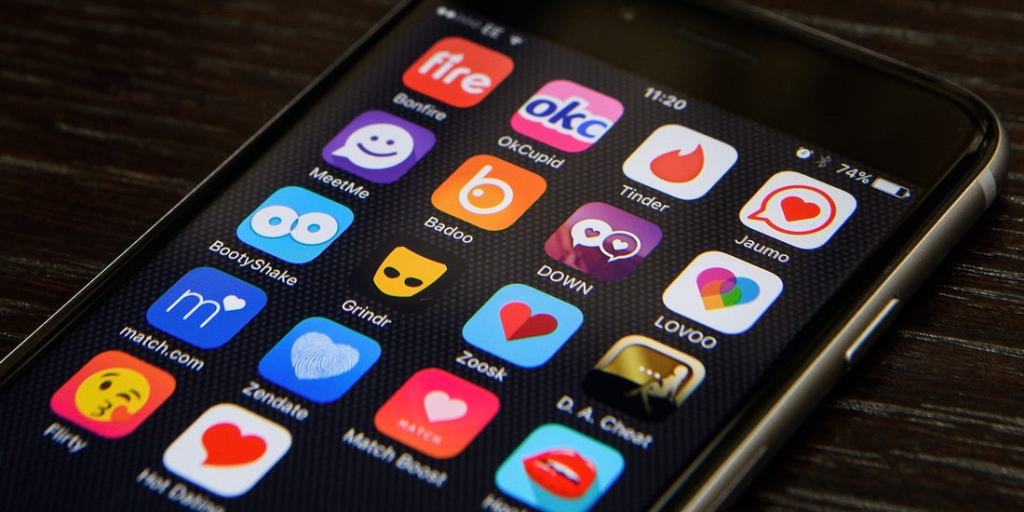
Not everyone wants the same thing. Some want marriage-minded dating. Some want casual dating. Some want bilingual matching. Here’s a clean way to think about it:
Best for serious dating (Japan-first):
- Pairs
- Omiai
- with
- Match
Best for casual dating and variety:
- Tinder
- Bumble
- Tapple
- Dine
Best for foreigners / international matching:
- Bumble (strong for English-friendly profiles in major cities)
- Tinder (large pool, more casual)
- OkCupid (good filters and identity options)
- JapanCupid (international “Japan-focused” dating)
This “fit first” approach is the fastest way to pick a winner.
The Top 10 Best Japanese Dating Apps
Below are the strongest options, written in affiliate-review style: what it is, who it’s for, what’s good, what’s not, and how to win on it.
1) Pairs: The Mainstream Relationship Leader
Pairs is often treated as the “default” dating app in Japan for relationship-minded singles. It’s popular, structured, and designed to help people find compatible matches rather than random swipes.
Best for:
- People who want relationships (and don’t want chaos)
- Users who prefer detailed profiles and compatibility
- Singles in Japan who want “normal” dating outcomes
Why it works:
- Strong local user base
- Community-based interests help matching
- Profiles tend to be higher-effort than swipe apps
Watch-outs:
- Often Japanese-language heavy
- Some features that boost results may sit behind paywalls
- Messaging can be limited without premium (common in Japan)
Actionable tip:
Pairs rewards “stable energy.” A clean bio, clear intention, and respectful message beats flashy lines every time.
2) Omiai: Serious Dating With Strong Safety Signals
Omiai has a reputation for being more serious, more relationship-oriented, and more “grown-up” in tone. It’s often chosen by people who want to date intentionally.
Best for:
- Serious dating and long-term relationships
- People who prefer stronger moderation and verification
- Users who dislike the casual feel of swipe apps
Why it works:
- Safety-focused culture
- Many users join with real intent
- The experience feels more “purposeful” than playful
Watch-outs:
- Like many Japanese-first apps, messaging access may require paid membership (commonly for men)
- Less “instant dopamine” than Tinder-style apps
Actionable tip:
Write a bio that sounds like a person, not a resume. Keep it calm, positive, and clear. Omiai users respond well to emotional maturity.
3) with: Psychology-Style Matching for Compatibility
with is famous for personality-based matching and “compatibility” features. It can feel more guided than other apps, which makes it easier for users who don’t know how to start.
Best for:
- People who want compatibility-based matching
- Introverts or users who prefer structured prompts
- Users who want conversation starters built into the app
Why it works:
- Matching feels intentional
- Prompts reduce awkwardness
- Profiles often include more meaningful detail
Watch-outs:
- Still may feel Japanese-language heavy
- Not always ideal for fast casual dating
Actionable tip:
Use the built-in prompts and quizzes and reference them in your first message. It instantly feels more personal.
4) Tapple: Fast, Fun, and Date-Oriented
Tapple leans more casual than Pairs/Omiai but still stays within the “matching app” ecosystem. It’s often used by people who want to meet sooner rather than chat forever.
Best for:
- Casual dating
- People who want quick matches and quick meetups
- Users who like “vibe-first” matching
Why it works:
- Faster pace
- Good for people who like meeting in real life sooner
- Popular among younger adults
Watch-outs:
- “Fast pace” can mean lower signal-to-noise
- Users should be strict about safety and meeting etiquette
Actionable tip:
Set a soft goal: match → short chat → move to a coffee date. Tapple works best when the conversation doesn’t drag.
5) Tinder: The Biggest Pool, Most Mixed Intent
Tinder is global, massive, and heavily used in Japan—especially in big cities. It’s the widest net but also the most mixed in intent. Some people want casual. Some want relationships. Some want new friends. The results depend on filtering and strategy.
Best for:
- Big-city dating (Tokyo, Osaka, Fukuoka, Yokohama)
- Casual dating and quick matches
- Users who want the largest pool
Why it works:
- Volume
- Easy onboarding
- Great for visibility and rapid testing of profile quality
Watch-outs:
- Mixed intentions can waste time
- Low-effort profiles are common
- Ghosting is more frequent
Actionable tip:
A strong profile photo + one clear line of intention improves match quality dramatically. Tinder is a numbers game—but it doesn’t have to feel random.
6) Bumble: Better Filters, Often Better Conversations
Bumble tends to attract users who like structure and cleaner communication. In many places, it’s known for “women message first,” but even beyond that, it often feels less chaotic than Tinder.
Best for:
- People who want higher-quality conversations
- Foreigners and English-friendly dating in Japan
- Users who prefer clearer intentions
Why it works:
- Profiles often feel more intentional
- Strong for professionals and international communities
- Reduces some “spray-and-pray” behavior
Watch-outs:
- Smaller pool than Tinder in some areas
- In smaller towns, matches can feel limited
Actionable tip:
Bumble rewards profile quality. Use photos that show lifestyle, not just selfies.
7) OkCupid: Best for Depth, Filters, and Identity Options
OkCupid is underrated for Japan, but it shines when someone wants more control: filters, values, identity options, and more detailed profiles.
Best for:
- People who want depth and compatibility filtering
- Users who care about values and lifestyle fit
- People who want more inclusive identity options
Why it works:
- Better filtering
- More profile detail
- Strong for intention-based dating when used properly
Watch-outs:
- Can feel slower than swipe apps
- Requires effort to get the best results
Actionable tip:
Answer questions and fill in prompts. OkCupid is one of the apps where effort turns directly into better matches.
8) Match: Long-Term Dating With a More “Serious” User Base
Match has a more mature vibe and is often used by people who want commitment. The experience can feel less trendy, but that’s exactly why it works for some users.
Best for:
- Long-term relationships
- Older singles and professionals
- Users who prefer “serious-first” environments
Why it works:
- More relationship-minded user base
- Less chaotic than swipe apps
- Often better for intentional dating
Watch-outs:
- Not as “fun” as Tinder/ Tapple
- Pool size may vary by location
Actionable tip:
Match works well when the bio clearly states what someone wants and what they’re open to—without sounding intense.
9) Hinge: Designed for Relationships, Growing in Japan
Hinge is known for relationship-focused prompts and profile structure. It’s been expanding internationally, and many users like its “conversation-first” design.
Best for:
- People who want real conversations leading to dates
- Users who prefer prompts over selfies
- Dating with long-term potential
Why it works:
- Prompts create easier conversation entry points
- Often feels more relationship-driven
- Encourages better profile behavior
Watch-outs:
- Availability and pool size can vary
- Some users still treat it casually
Actionable tip:
Comment on a prompt, not just a photo. It signals real interest and tends to get better replies.
10) JapanCupid: Japan-Focused International Dating
JapanCupid is geared toward people looking for Japanese dating connections, including international users. It can be valuable for those who want Japan-focused matches outside the main “local matching apps.”
Best for:
- People seeking cross-cultural dating
- Users who want Japan-focused matching
- People who prefer a site-style dating experience
Why it works:
- Japan-specific focus
- Often used by international daters
- Premium features can meaningfully improve messaging and visibility
Watch-outs:
- Like many niche platforms, quality varies by area
- Users should be cautious and verify authenticity
Actionable tip:
Use clear filters and keep messaging respectful and direct. The best results usually come from thoughtful first messages and firm boundaries.
Features: What to Look for in the Best Japanese Dating Apps
Choosing wisely becomes easy when features are judged by outcomes, not marketing.
High-impact features that matter:
- Verification and moderation: reduces fake profiles and weird behavior
- Profile prompts and detail: improves match quality
- Filters (age, distance, intention): saves time
- Message controls: avoids spam and low-quality interactions
- Community/interests matching: helps people connect naturally
A “good” app is the one that makes the first meet-up easier, safer, and more aligned.
Pricing: What Dating Apps Usually Cost in Japan
Pricing varies by app, and it can change, but the pattern is consistent:
- Many Japan-first apps allow free browsing and matching
- Messaging often requires premium membership (commonly for men)
- Premium tiers add boosts, visibility, and read receipts on some apps
Typical monthly cost ranges (rough guide):
- Japan-first relationship apps: often in the mid-thousands of yen per month for paid plans
- Swipe apps: free basic tiers with paid upgrades
- Niche/international platforms: premium plans vary widely depending on features
Smart money rule:
Pay when the profile is strong and matches are already happening. Paying with a weak profile usually just buys more rejection.
User Base: Who Uses Japanese Dating Apps?
Japanese dating apps aren’t one single audience. They’re multiple mini-markets:
- Marriage-minded dating: stronger on Pairs/Omiai/with/Match
- Casual + social dating: stronger on Tinder/Tapple/Dine
- International communities: stronger on Bumble/Tinder/OkCupid/JapanCupid
- Smaller towns: often more value in local Japanese-first apps than global swipe apps
Location matters. Tokyo is not the same as rural Japan. The best choice changes based on where someone lives and what they want.
Advantages: Why Japanese Dating Apps Can Work Extremely Well
When used correctly, dating apps in Japan can be surprisingly effective.
Top advantages:
- Strong culture of verification on many local apps
- Users often have clearer intentions
- Profiles can contain more meaningful information
- Many people are genuinely open to meeting in real life if trust is established
Japan’s dating-app ecosystem can feel “structured,” but structure often equals results.
Disadvantages: The Friction That Can Slow Users Down
Even the Best Japanese Dating Apps can frustrate users if expectations are wrong.
Common downsides:
- Language barriers on Japan-first apps
- Paid messaging models can surprise new users
- Some users are cautious and slow to meet
- Swiping apps can be noisy and inconsistent
This is why strategy matters as much as app choice.
Safety: How to Date Smarter on Japanese Dating Apps
Safety is a real advantage in Japan’s mainstream matching apps, but no platform is perfect. Smart habits prevent most bad outcomes.
Practical safety rules:
- Use apps with verification where possible
- Keep first meetings public (coffee, daytime, busy area)
- Avoid sending money, gifts, or “help” to anyone
- Watch for pressure tactics, urgency, or inconsistent stories
- If someone refuses a normal video call or public date repeatedly, move on
Best practice:
Trust is built in small steps. Anyone pushing for big leaps too fast is a risk.
How to Get Better Matches: A Step-by-Step Strategy That Works
A strong profile beats a perfect app. Here’s a simple strategy that consistently improves results:
Step 1: Fix the photo stack
- 1 clear face photo (bright lighting)
- 1 full-body photo (natural)
- 1 lifestyle photo (hobby, café, outdoors)
- 1 social photo (optional, not messy)
Step 2: Write a bio that signals intention
Short, specific, and calm:
- What someone likes
- What they’re looking for
- What kind of date they enjoy
Step 3: Send messages that are simple and warm
- Mention something specific from the profile
- Ask one easy question
- Don’t over-message
Step 4: Move toward a low-pressure meet
A coffee date wins because it’s safe and short.
This is how people turn “scrolling” into “dating.”
Alternatives: What to Use If These Apps Don’t Fit
Sometimes the best move is not another app—it’s another channel.
Good alternatives:
- Social hobby groups (language exchange meetups, sports groups, classes)
- Trusted local events (food tours, cultural activities, community meetups)
- Friend-of-friend introductions (still powerful in Japan)
- City-based communities (especially for foreigners in Japan)
Apps are tools. Real dating comes from environments where trust grows naturally.
FAQ: Best Japanese Dating Apps (12–15 Questions)
1) Are Japanese dating apps safe?
Many are safer than expected due to verification and moderation, but users still need smart boundaries and public first meetings.
2) Do Japanese dating apps work for foreigners?
Yes, especially in major cities. Bumble, Tinder, OkCupid, and JapanCupid can be strong. Japan-first apps may require more language comfort.
3) Which app is best for serious relationships?
Pairs, Omiai, with, and Match are strong choices for relationship-minded dating.
4) Which app is best for casual dating?
Tinder, Tapple, and Dine typically lean more casual and date-oriented.
5) Do people actually meet in real life from these apps?
Yes. Many users do meet. Results improve when conversations move toward a simple coffee date instead of endless texting.
6) Why do some apps require payment to message?
It reduces spam and raises user quality in many Japan-first apps. It’s also their business model.
7) What’s the biggest mistake people make on Japanese dating apps?
Using a low-effort profile and trying to “wing it.” Japan’s dating apps often reward effort and clarity.
8) Is Tinder good in Japan?
It can be good for volume and big-city dating, but it’s mixed-intent. Strong filtering and a clear profile matter.
9) Is Bumble popular in Japan?
It’s more popular in major cities and international communities. It often delivers better conversations than pure swipe chaos.
10) Which app is best for Japanese language learners?
Pairs, with, and Omiai can be great practice if a user is comfortable reading Japanese profiles.
11) How long should someone chat before meeting?
Usually a short chat is enough—if the vibe is good, suggesting a coffee date within a few days can be a smart move.
12) Are there scams on Japanese dating apps?
They exist everywhere, but strong verification apps reduce risk. Avoid anyone asking for money or trying to move off-platform immediately.
13) Which app is best outside Tokyo?
Pairs and other Japan-first matching apps often outperform international apps in smaller cities due to stronger local penetration.
14) Should users pay for premium features?
Paying can help once matches are already happening. Paying rarely “creates” results if the profile isn’t strong.
15) What’s the fastest way to improve match quality?
Upgrade photos, write a calm intention-based bio, and send messages referencing something specific from the other person’s profile.
Final Verdict: Which One Should Be Chosen?

The Best Japanese Dating Apps aren’t “one-size-fits-all”—the best choice depends on intention, location, and comfort with Japanese language and culture.
- For serious dating in Japan: Pairs, Omiai, and with are hard to beat.
- For casual dating and fast variety: Tinder, Tapple, and Dine can deliver.
- For international or English-friendly dating: Bumble, OkCupid, and JapanCupid can be strong depending on the city.
The real winning formula is simple: pick the app that matches the goal, build a high-effort profile, message respectfully, and move toward a safe, low-pressure real-life meet—because that’s where the Best Japanese Dating Apps stop being apps and start becoming actual dating results.